
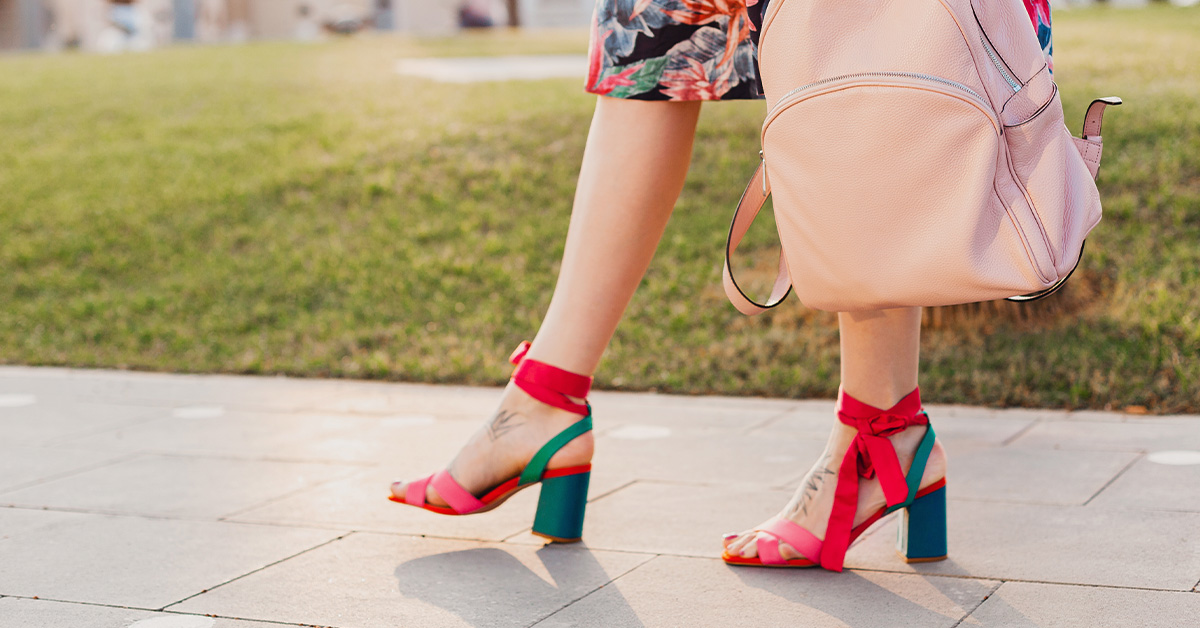
Before you pull out your wallet and add that eye-catching pair of heels or sleek new loafers to your digital shopping cart, let us pause for a second. It is incredibly easy to get swept away by a stunning window display, an aggressive online discount, or a temporary style trend that looks amazing on an internet influencer.
However, acquiring footwear without a deliberate plan is a recipe for disaster, leaving your closet cluttered with gorgeous options that either pinch your toes or match absolutely nothing in your existing wardrobe. If you want to stop wasting your resources on footwear that spends its entire life gathering dust, you must master the fundamental principles of strategic footwear coordination.
Reassessing Your Current Functional Footwear Baseline
Walking into a trendy shoe boutique or browsing an online outlet often induces a state of impulsive enthusiasm. The right ambient store lighting and the pristine, crisp leather smell conspire to make every single pair feel like an absolute necessity for your personal expression. But footwear needs to serve your actual daily routine, not just look impressive sitting inside an organized closet box.
Many individuals fail to realize that a pair that feels ideally fine during a brief two-minute trial on a plush showroom carpet can become intensely painful after twenty minutes of traversing hard concrete city sidewalks. A model built for structure and posture might feel far too restrictive for someone whose daily routine involves extensive walking or commuting.
Conversely, a casual flat option will leave a corporate professional looking completely unpolished during an executive boardroom presentation. Knowing your specific weekly physical itinerary before exploring commercial style options is essential to avoiding immense buyer's remorse.
Decoding the Visual Scale of Footwear Proportions
The structural lines of your footwear dictate exactly how your silhouette is perceived by people around you. One prominent critical elements of stylish coordination involves understanding the relationship between the hemline of your trousers or skirts and the ankle profile of your footwear.
Basic low-profile flats work beautifully with tapered or cropped hems because they leave a sliver of skin exposed, establishing a balanced, lightweight aesthetic. If you prefer wide-leg trousers, pairing them with delicate, thin-soled shoes causes the fabric to overwhelm the footwear, making the entire outfit look bottom-heavy. Wide-leg cuts require a substantial chunky sole, block heel, or platform base to ground the extra fabric and create a cohesive, deliberate flow. Paying attention to these scale dynamics ensures your outfits look seamlessly integrated rather than randomly assembled.
The Critical Importance of Tone and Color Continuity
The color of your footwear acts as an anchor for your entire ensemble, dictating how smoothly an observer's eyes move down your silhouette. A frequent blunder among style newcomers is selecting a contrasting shoe color that cuts across their frame horizontally, making them appear significantly shorter than they are.
For comprehensive wardrobe utility, look closely at the concept of tonal continuity. If you are wearing dark denim or charcoal trousers, choosing a footwear option in a similarly deep shade extends the visual line of your legs downward, creating a sleek, streamlined appearance. When opting for skirts or shorts, matching the footwear color to your natural skin tone achieves an identical lengthening effect. Skipping this subtle detail means creating harsh visual interruptions that break up your outfits and diminish the impact of well-chosen garments.
Texture Variations vs. Uniform Matching
A common style trap involves matching the exact material and color of your footwear to your belt, handbag, or outerwear item. While this rigid approach was once considered the standard definition of sophistication, modern style principles favor a more nuanced, dynamic execution.
A massive volume of identical leather textures within a single outfit creates an unnecessary visual monotony that reads as dated or overly stiff. Prioritize contrasting material finishes over a uniform matching scheme. High-quality styling utilizes distinct textures such as combining a soft suede boot with a structured leather trench coat, or pairing a sleek patent leather loafer with a cozy knit sweater fabric. This strategic contrast adds depth and sophistication to your appearance without requiring a high numerical count of accessories.
Navigating the Practical Spatial Boundaries of Trends
Before coordinating your seasonal wardrobe purchases, take a step back and analyze your actual storage layout and structural lifestyle constraints. High-fashion footwear options, such as thigh-high suede boots or structural architectural heels, are bulky items that require specific storage environments to maintain their shape and prevent surface scuffs.
Many high-end contemporary designs feature space-saving, flexible structures that allow them to adapt to diverse storage constraints. However, rigid options require dedicated shaping trees and ample shelf room to avoid crushing the leather fibers. Standard wardrobes lacking this designated physical space will quickly become overwhelmed, resulting in damaged materials and cluttered entryways. Analyze your interior storage space before bringing home a new pair, ensuring your environment can properly accommodate the item.
Evaluating the Long-Term Cost-Per-Wear Structure
Purchasing footwear involves a substantial upfront outlay, but analyzing the purchase through the lens of long-term utility changes your perspective entirely. If you currently purchase cheap, synthetic options every few months because the soles separate or the faux leather peels, those recurring invoices quickly pile up over a single calendar year.
Bringing a single pair of well-constructed, durable leather shoes into your residence transforms a variable, recurring replacement cost into a predictable, fixed wardrobe asset. A classic, high-quality loafer or structured boot can accommodate hundreds of outings over several years when maintained correctly. When you calculate the math over an extended operational lifespan, spending in superior construction becomes a highly pragmatic fiscal choice for busy individuals seeking consistent, dependable style.
Mastering the Harmony of Occasion and Comfort
A piece of clothing is only helpful if you can comfortably wear it throughout your daily activities without feeling physically miserable or restricted. Many modern shoes substitute traditional structural comfort for exaggerated stylistic elements that look fascinating in photographs but prove completely unwearable in real life.
Look for equipment that features hidden comfort engineering, such as flexible insoles, padded arches, and wider toe boxes hidden behind a sleek exterior silhouette. This allows you to stand confidently, navigate transit steps, and move swiftly between commitments without experiencing painful friction or blister development. Selecting footwear that balances aesthetic appeal with anatomical reality ensures your body stays fully supported, letting you focus on your day instead of your feet.
Factoring in Post-Purchase Upkeep Systems
The absolute biggest mistake a buyer can make is purchasing an advanced leather shoe without establishing a routine maintenance system. Because footwear experiences intense mechanical friction, exposure to changing weather conditions, and steady physical stress, it will eventually require standard preservation or component rejuvenation.
Always confirm the structural properties of the materials before completing your transaction. A standard wardrobe setup should include basic weatherproofing sprays, leather conditioners, and structural shoe trees to maintain original form.
If a delicate fabric requires constant specialized cleaning or cannot survive a brief unexpected rain shower, walk away immediately unless you are prepared for high maintenance upkeep. Deal exclusively with high-quality materials that can be easily serviced by a local artisan or refreshed directly in your home.
The Role of Smart Structural Analysis
Every foot possesses a unique shape, and introducing a new pair of shoes requires attentive planning around your existing physical constraints. Consider the width of your forefoot and the height of your arch, as squeezing into an ill-fitting shape creates a permanent physical hazard for your skeletal alignment.
Additionally, evaluate your daily walking surfaces, navigating slick office tiles or rough cobblestones pathways requires a slip-resistant rubber outsole rather than a smooth, unprotected base. By analyzing these subtle physical realities before your purchase arrives, you ensure your new footwear integrates seamlessly into your life without creating unexpected discomfort.
Your Final Checklist Before Purchase
You are now fully armed with the essential facts required to navigate the modern footwear market without falling for common marketing traps or impulsive visual desires. Do not let shiny displays or temporary lifestyle trends push you into an uncalculated environment.
Take your time, evaluate your designated closet space, test multiple structural silhouettes, and strictly verify the quality of the internal stitching and sole construction. When you find a model that aligns precisely with your physical comfort, wardrobe aesthetics, and lifestyle goals, you can spend with absolute confidence.
Explore our educational styling resources today to compare specifications, and take the first real step toward establishing a highly efficient, beautifully coordinated footwear collection right inside your own home.